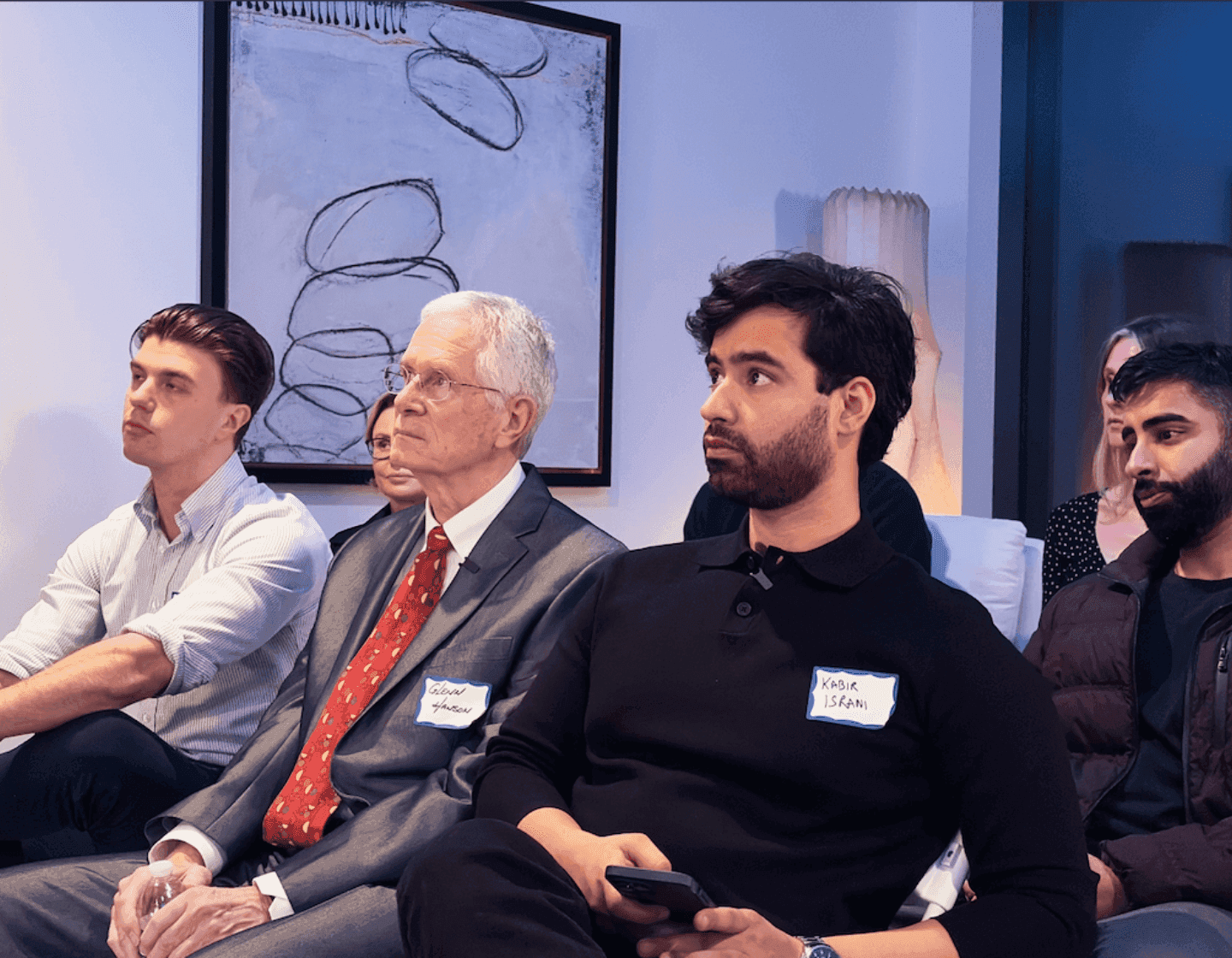
Founder and CEO, Raveum
Building Raveum
Kabir Israni, Founder and CEO of Raveum.Bringing U.S. real estate within reach of Indian investors.
In the press
Publications

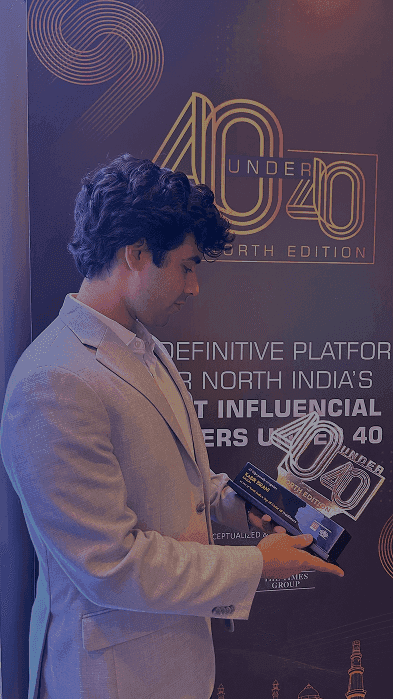
Why cross-border real estate investing still feels out of reach
Read article
For Indian investors, the real question is not only whether the rupee is weakening. It is how much of their wealth remains exposed to one currency, and what they are doing to balance that risk.
Indian investors turn to overseas real estate amid growing currency concerns
Read article

NEWSMAKERS | Mr. Kabir Israni, Founder and CEO - Raveum
Watch on YouTube
Revolutionizing Real Estate Investing: Kabir Israni On Fractional Ownership
Watch on YouTube
When You Solve Real Problems, Growth Follows
Watch on YouTube
The story so far
Kabir's Journey
From a 2022 internship in San Francisco to a global marketplace for U.S. real estate, in nine chapters.
Chapter 01
Summer in San Francisco
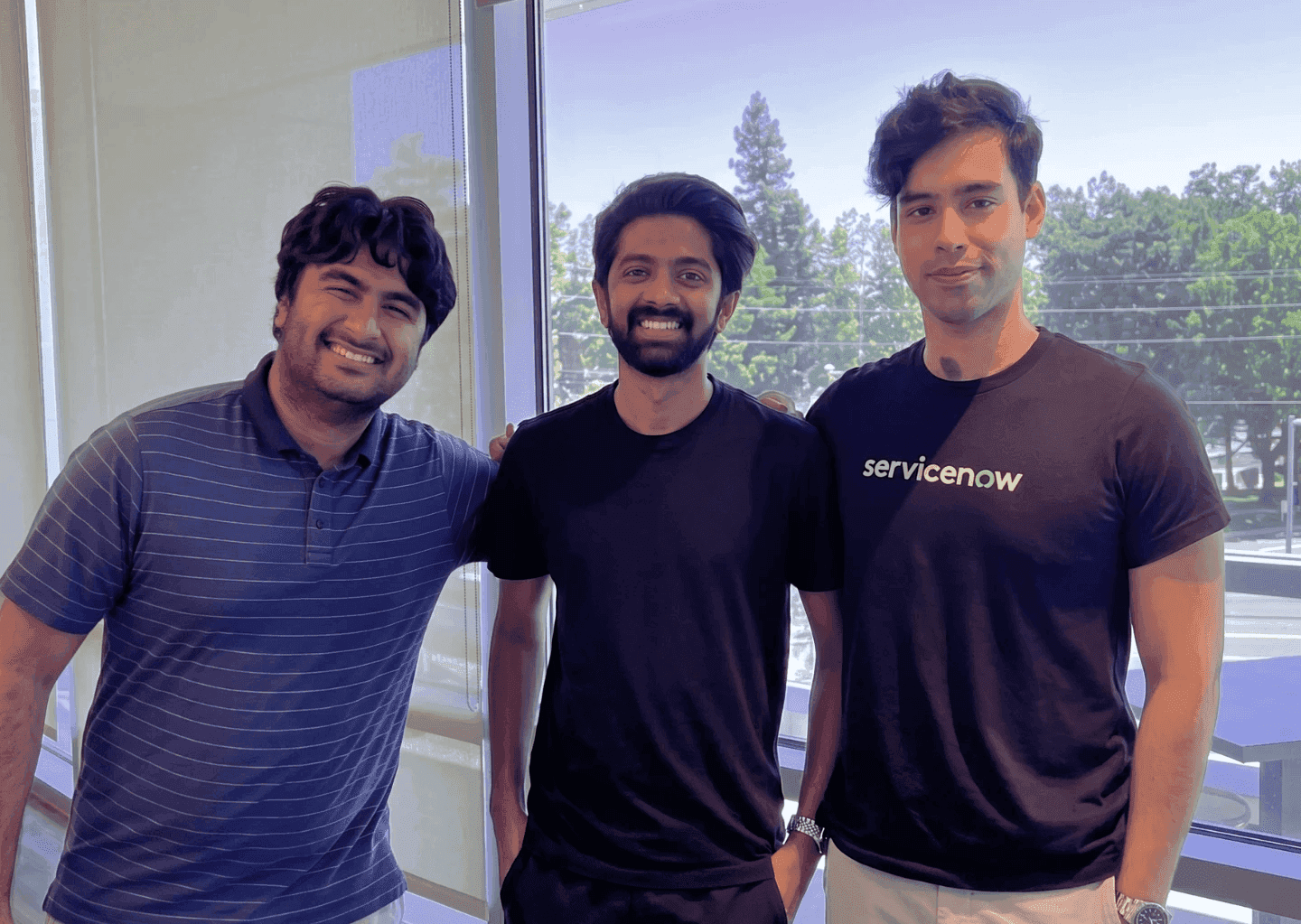
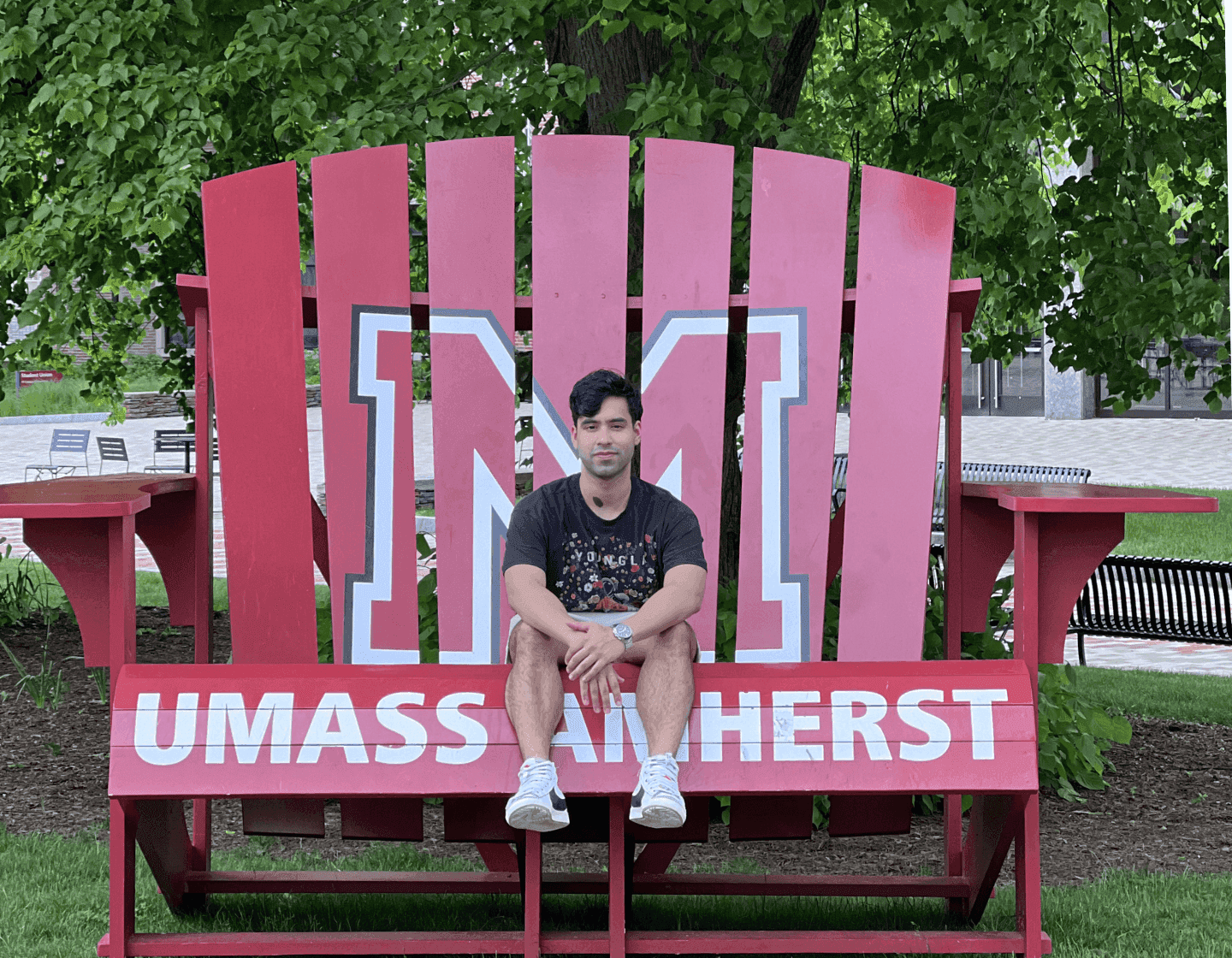
It was the summer of 2022. Kabir Israni, a computer science student at the University of Massachusetts, had landed the kind of internship many students hoped for. ServiceNow had the name, the credibility, and the outline of a future already forming. The internship should have been the story. Instead, it became the setting for Raveum’s story.
What does one do when money first becomes real?
His mind went to the path he had seen at home. His father had always looked at real estate as a way to build generational wealth, an asset that could last beyond a market cycle. Kabir understood why U.S. commercial real estate was attractive, but the opportunities that made sense to him seemed to sit behind a closed door. They were not built for someone with a few thousand dollars and no private network.
That question laid the foundation of Raveum:
If an asset class could help people build stable, global wealth, why was it available only to those who already had the scale, the access, and the right doors open?
Chapter 02
Blueprint One
Kabir’s first vision of Raveum was not small. It was a regulated platform where global investors could access income-producing U.S. commercial real estate. He wanted it open not only to wealthy or accredited investors, but also to people like himself and his friends. That led him to explore a Reg A Tier 2 structure.
He began where his family history had taught him to begin: with integrity. He had grown up around people who treated business and public responsibility seriously, a grandfather who had served as a High Court judge and parents who had built Telebrands into a household name in Indian teleshopping. To build something new was not enough. It had to be built in a way that deserved people’s trust.
Kabir began speaking with lawyers and studying the rules on both sides of the corridor: the SEC in the United States and RBI, FEMA, and LRS requirements in India. He wanted to understand how investors could participate legally, how money could move across borders, and what structure would be required to hold real assets. The work gave the idea weight, but it also revealed that the model would require millions of dollars.
So Kabir went out to raise money. He spoke to school contacts, alumni, angel investors, VCs, friends, and anyone who might understand what he was trying to build. Some thought the market was too early. Others thought he was too young. The answer, again and again, was no.
He did not abandon the idea. He learned that the platform would have to be built in stages. Blueprint One did not survive as a business model, but it taught him his first discipline: the vision could remain large while the first step became smaller.
Chapter 03
Blueprint Two
What stayed with Kabir was the doorway inside the law. Under India’s Liberalised Remittance Scheme, resident Indians could remit up to $250,000 a year for permitted overseas transactions. The path existed, but it was buried under rules, paperwork, and banking systems.
So he narrowed the vision. Instead of trying to solve access for U.S. and international investors at the same time, he focused on the corridor where the need was clearest and a legal route already existed: India to the United States.
Kabir spent what he had on design and legal advice, watching the first UI/UX screens of Raveum appear before the company itself was fully real. When the money ran thin, he turned to Ayush, a friend who could help him build the technology. The idea had crossed an important line. It could now be seen.
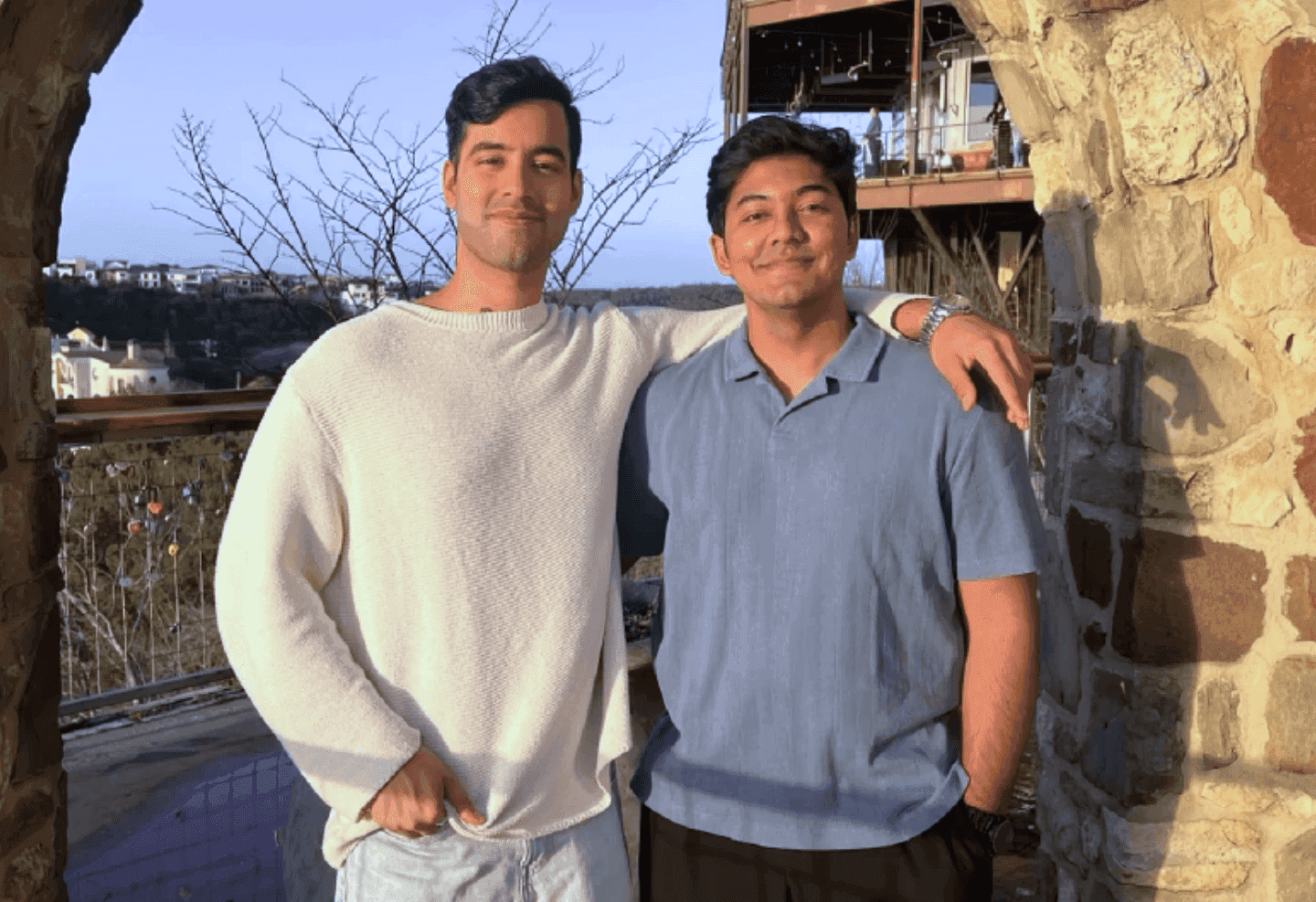
A second internship at ServiceNow gave him enough breathing room to continue. In 2024, Raveum was incorporated. The website began to take shape, and early real estate conversations opened. By the time Kabir graduated and moved to Austin, he did not yet have the platform he had imagined. But he had the beginnings of one, and a few early believers: Arun, Nikita, and his brother Zubin.
Chapter 04
The India Launch
Kabir chose September 24, his mother’s birthday, for the India launch. The model carried a $100 entry point, preserving Raveum’s original promise of lowering the barrier to U.S. real estate.
The first response looked promising. Orders started coming in, and for a brief moment, it seemed as if the access problem had begun to break open.
Then the system failed at the exact point where it mattered most: money movement. When early investors attempted the LRS process, the transactions were blocked. The problem was no longer whether investors wanted the opportunity. It was whether their money could move from an Indian bank account into a U.S. investment through the permitted route.
The low-ticket model also failed economically. Every investor needed bank coordination, document guidance, and manual intervention. The math broke quickly. Raveum could not spend more servicing each transaction than it earned from it.
Kabir did not hide the failure or force the model forward. He accepted the constraint. Access could not be defined only by the smallest possible entry point. It also had to work in practice.
Chapter 05
The Key City Bridge
The failed transactions left Raveum with interest it could not convert into investment. Kabir now needed a real asset around which the process could be rebuilt.
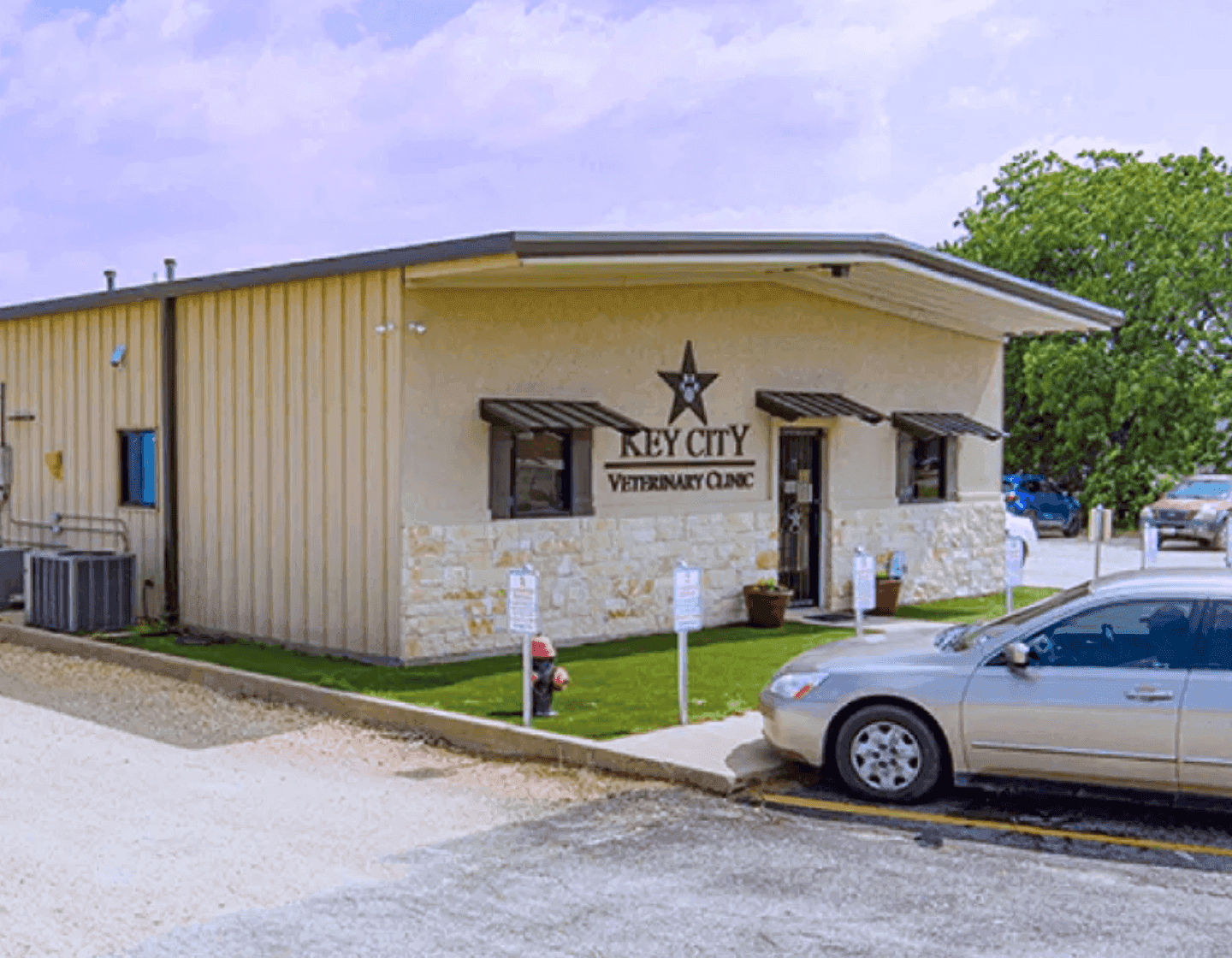
That asset became the Key City Veterinary Clinic in Abilene, Texas. Kabir had sourced the property and studied the deal through due diligence. He believed the asset was strong enough for Israni Holdings to commit its own capital. The acquisition placed a real property behind the platform and showed that the people building Raveum were prepared to invest in the opportunities they selected.
Key City was listed on the platform with a $1,000 entry point. It was higher than Kabir had originally wanted, but closer to what the manual process could support. The decision held the tension that had shaped Raveum from the beginning: how to widen access without promising a model that could not yet function.
With Key City live, Kabir returned to the banking problem. He contacted banks through family connections, LinkedIn, and every relevant introduction he could find. He spoke to ICICI, HDFC, and others before a contact in Jaipur led him to Kotak Mahindra Bank.
Kabir presented the model, the expected investor flow, and the possibility of a repeatable remittance process. After months of work, a manual route emerged through which investors could open the required accounts, complete the A2 and LRS paperwork, and move capital into the investment.
Chapter 06
Blueprint Three: The Sponsor Marketplace
By early 2025, Raveum had found a way to process investments, but small tickets could not support the larger vision. The business model still had to change.
The next idea came through Glenn, one of Kabir’s early mentors in real estate. Glenn was trying to raise capital for his own deal from U.S. accredited investors and facing high fundraising costs. Kabir saw the problem from the other side.
Raveum had been built to help investors reach U.S. real estate. It could also help U.S. sponsors reach investors beyond their existing networks.
Kabir proposed a test. Raveum would present Glenn’s deal to its Indian investor base and measure the response. He was not looking for immediate profit. He wanted to know whether international investors would respond to a sponsor-led U.S. real estate offering.
The Encore deal did not close as planned, but the response was difficult to ignore. Investors took meetings, studied the opportunity, and asked serious questions. The test showed that demand extended beyond individual properties and triple-net leases. Investors were willing to consider broader U.S. real estate opportunities when the sponsor, structure, and risks were presented clearly.
Kabir continued testing the model with other sponsors. Some deals changed. Others were lost before acquisition. Some did not meet Raveum’s standards. Each result taught him something about the limits of the marketplace: sponsors could change terms, acquisitions could fall away, and the quality of the underlying deal still determined everything.
The role of Raveum became clearer. It would not depend only on properties sourced or managed by the company. Sponsors could bring opportunities, investors could evaluate them, and Raveum could build the system connecting the two.
The marketplace was no longer only an idea. Sponsors had begun signing on, and Kabir now had enough evidence to raise the capital required to build the company around it.
Chapter 07
From Founder-Led Operation to Platform Company
The capital raise changed what Kabir could build. Until then, much of Raveum had depended on a small number of people solving problems as they appeared. Now those lessons had to become teams, technology, and repeatable processes.
The investor app gave people a place to discover opportunities and follow their investments. Partner and institutional pathways allowed advisors and larger investors to engage with the platform in ways suited to them. On the other side of the marketplace, the sponsor portal became the clearest expression of the new model.
Sponsors could submit property information, financial projections, offering materials, and supporting documents through one process. Raveum could then help organise the work required to prepare, list, subscribe, close, and support an offering.
The platform did not remove the need for legal review, compliance work, or human judgment. It gave that work a structure.
For Kabir, this required a different kind of leadership. The company could no longer depend on him holding every answer or personally moving each problem forward. What he had learned through failure now had to live inside Raveum without depending on his constant intervention.
Chapter 08
Trust Becomes the Product
As the platform grew, Kabir encountered a problem that technology alone could not solve. Investors were being asked to consider opportunities in another country, often without seeing the property or meeting the sponsor in person.
He began listening more closely to the questions beneath their hesitation. Who controlled the property? How had the opportunity been evaluated? What could go wrong? What documents would they receive? What would happen after the investment closed?
Kabir understood that these were not objections to overcome with persuasion. They were reasonable questions that Raveum had to answer with evidence and access.
He began reducing the distance between the investor and the people behind each opportunity. Investors could speak directly with sponsors, ask questions, and visit the property if they wished. The platform organised the property information, sponsor details, projections, legal documents, risks, and updates around each investment.
Kabir also wanted Raveum to have a presence beyond the screen. The company opened a physical office in Mumbai and built a dedicated support team so investors had a place to visit and people they could speak to before and after investing.
The investment itself also had to remain visible. Investors could complete KYC and AML checks, invest through the platform, and see their documents, ownership records, property updates, and earnings in one place. Distributions appeared in their wallet, while the invested capital moved into the LLC that owned the property.
Kabir’s answer to the trust problem was not reassurance. It was to make the sponsor, the property, the process, and the continuing investment easier to see.
That work continues to shape Raveum today.
Chapter 09
The Global Marketplace Vision
India to the United States is the first corridor, not the final destination. Kabir is building toward a global marketplace that connects investors in one country with real estate opportunities in another, wherever access remains narrower than opportunity.
The expansion cannot be rushed. Every corridor will bring its own banking system, legal structure, investor expectations, and regulatory requirements. A model that works between India and the United States cannot simply be copied into another market.
Raveum is being built for more than adding properties. The platform must support many assets, sponsors, and markets without losing the discipline learned through its earliest stages.
The company is still young. Its systems, markets, and relationships are still being built. But the direction is clearer than it was in the summer of 2022.
Born from the frustration of standing outside a closed door, Raveum is Kabir’s attempt to build a disciplined and trusted way for others to walk through it.
Listen
Latest Podcasts
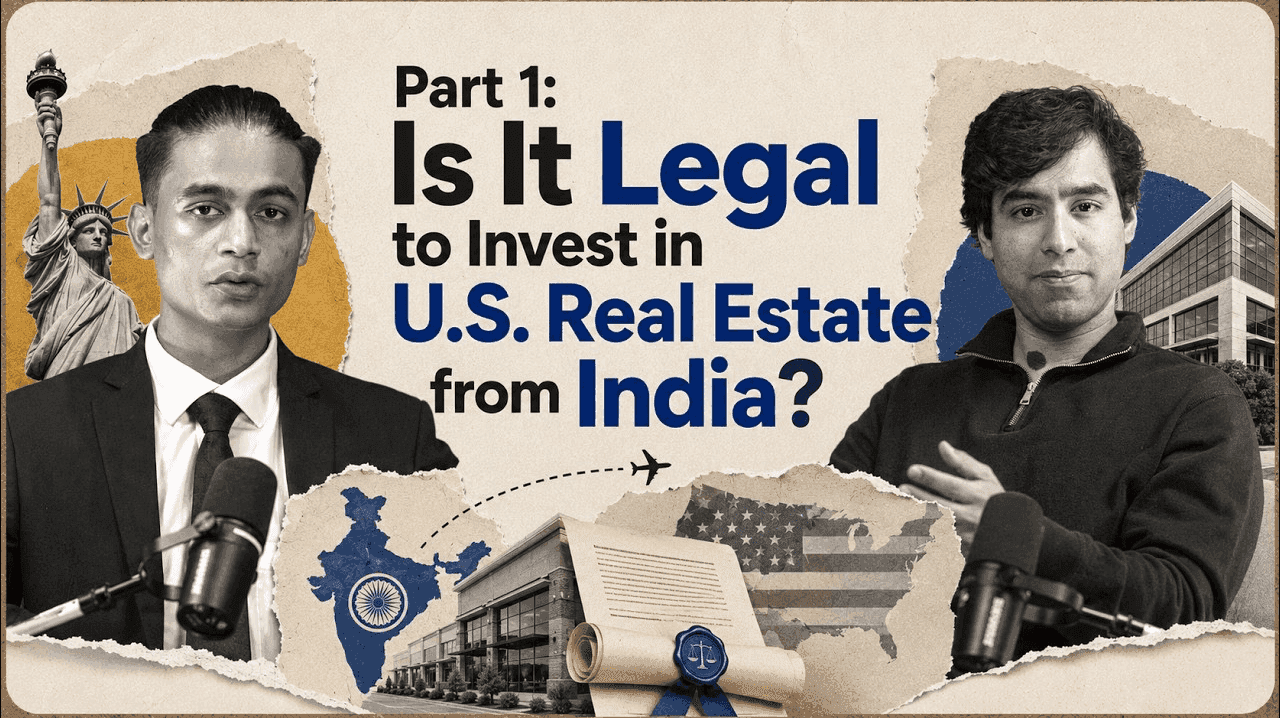
Is It Legal for Indians to Invest in U.S. Real Estate? | Raveum Podcast Part 1
In Part 1 of the Raveum Podcast, we discuss one of the most common questions Indian investors ask: Is it legal...
Watch on YouTube
Why Indians Are Turning to Dallas for Real Estate | New Investment Heaven Explained
Indian investors are earning up to 8% rental yield in the U.S., tax-free at the state level. Here's how they're doing it in Dallas.
Watch on YouTube
How Smart Indians Are Building Wealth with U.S. Passive Income in 2025
Why do most Indian traders lose money, and what can YOU do differently?
Watch on YouTube